Wide-format workflow guidanceFind application support
Finished wide-format graphics across multiple production applications

Judge the application after finishing

Mutoh Workflows Across Six Print Environments

The same image can demand a different transport, ink, cure and acceptance route when the end use changes. Each card names the material question, the post-print question and the test that turns an attractive sample into evidence.

Laminated retail and fleet vinyl graphics
Sign & Display

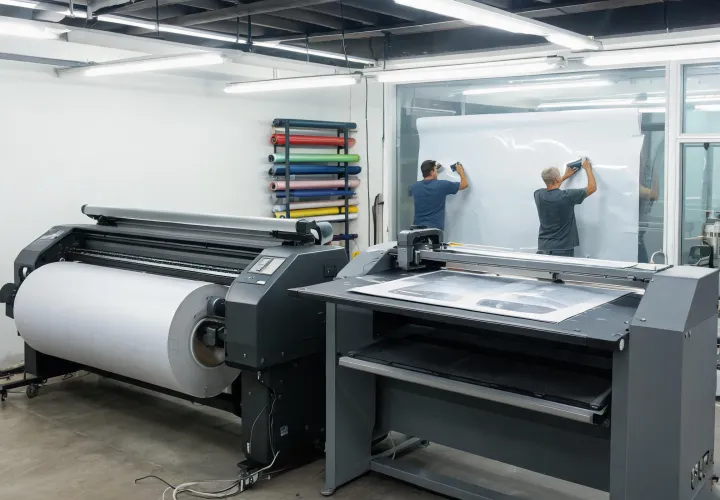
Roll graphics that survive finishing

Qualify coating, heater window, ink load, outgassing interval, laminate and contour-cut registration as one route. Compare a quality mode with a production mode on gradients, small type and long solid fills. Outdoor claims remain conditional on the complete media, ink, laminate and exposure system.

Acceptance:

Banding review, measured color target, edge lift check and cut-to-print registration.
UV printing on acrylic and coated metal parts
Rigid Decoration

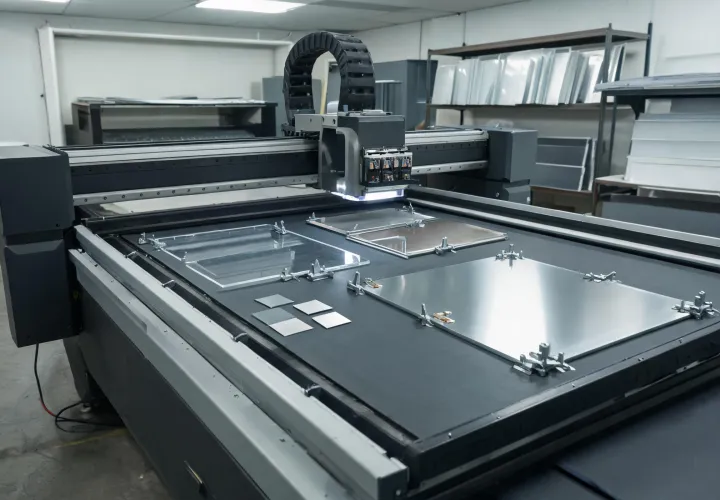
Surface preparation before layer effects

A visually strong UV print can still fail handling if surface energy, cleaning, primer or cure is wrong. Record part flatness, fixture clearance and white or varnish layer sequence. Test the finished part after its defined dwell rather than assuming cure appearance proves adhesion.

Acceptance:

Cross-hatch or agreed adhesion method, scratch exposure, edge inspection and fixture repeatability.

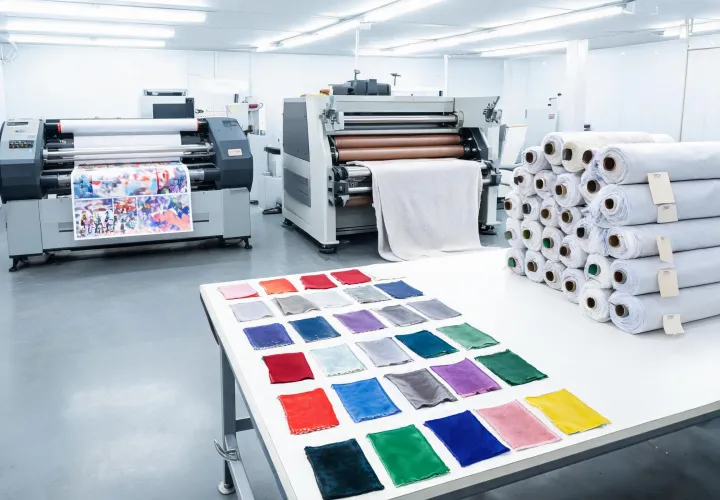
Textile sublimation transfer workflow
Textile Transfer

Approve color on fabric, not carrier paper

Transfer paper appearance is an intermediate state. Lock paper lot, ink load, press temperature, dwell, pressure and fabric identity, then assess the transferred piece under the agreed light. Repeat after an idle interval and include dimensional change if panels must align.

Acceptance:

Post-transfer color, bleed control, dimensional stability and wash or rub method where applicable.

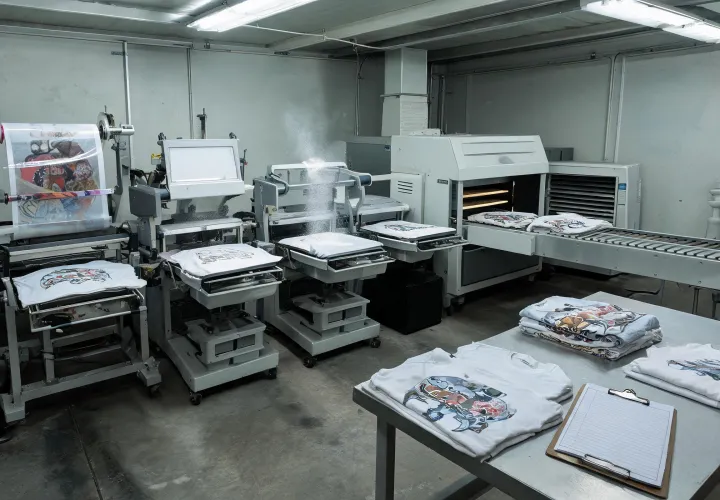
Apparel transfer film production and curing
Apparel Transfer

White underbase and cure form a system

Film, white ink behavior, powder, cure and heat transfer must be evaluated together. High ink load can improve visual density while making cure or hand feel harder to control. A lower-load route may transfer more consistently but require a different color strategy.

Acceptance:

White uniformity, powder edge cleanliness, transfer release, stretch and defined laundering review.

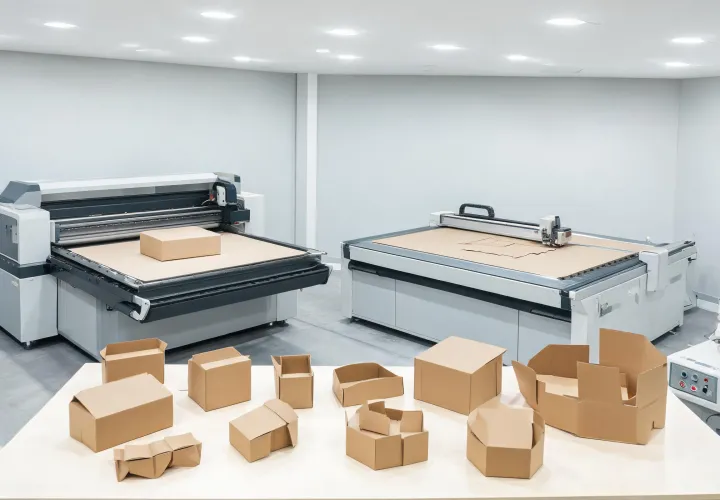
Short-run packaging prototype graphics
Packaging Prototypes

Color and construction meet at the fold

Prototype graphics need more than flat-sheet color. Ink flexibility, crease position, white layer strategy, varnish height and cutting registration affect the assembled mockup. Food-contact or regulated use requires separate verified documentation and is not inferred from a visual sample.

Acceptance:

Fold-line cracking, registration, surface rub, assembled viewing and documented use boundary.

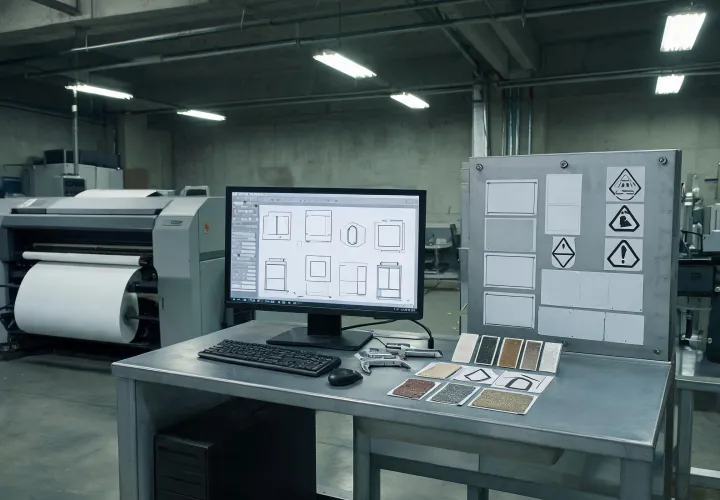
Industrial labels and equipment graphics inspection
Industrial Graphics

Legibility under actual handling

Control labels, overlays and equipment graphics can face cleaners, abrasion, heat or repeated touch. Define the substrate preparation, viewing distance, minimum feature, laminate or coating and exposure method. Regulatory compliance cannot be claimed without the relevant documented material system and test.

Acceptance:

Fine-line legibility, adhesion, abrasion exposure, cleaner compatibility and lot traceability.

01identify material lot
02record print settings
03apply real finishing
04repeat and release

Put one sellable job at the center of the printer discussion

Send the substrate, finished size, viewing or exposure condition, finishing route, quantity and acceptance method. The resulting conversation can compare production paths without inventing a universal winner.